Pricing starts at $45/month plus $5 per employee, but most small businesses need the higher tiers for features like same-day direct deposit and tax penalty protection. Net pay is the amount the worker receives after all deductions and withholdings. For salaried employees, the agreed-upon annual salary is divided by the number of pay periods. Employers must handle payroll reporting for employees and contractors differently, as the IRS and state tax agencies view these classifications as having distinct obligations.
What can you spend HSA money on?
- FUTA funds federal unemployment programs, providing temporary income for eligible employees who lose their jobs.
- The amount is withheld from the employee’s gross pay and depends on their W-4 form, which indicates the withholding allowances.
- With the rise in remote work, employees are required to spend money on software subscriptions that allow them to coordinate with their peers and get work done.
- Connect to hundreds of services and APIs directly and build highly customizable dashboards and reports for your team and clients.
- Payroll expenses represent a substantial and ongoing cost for most businesses.
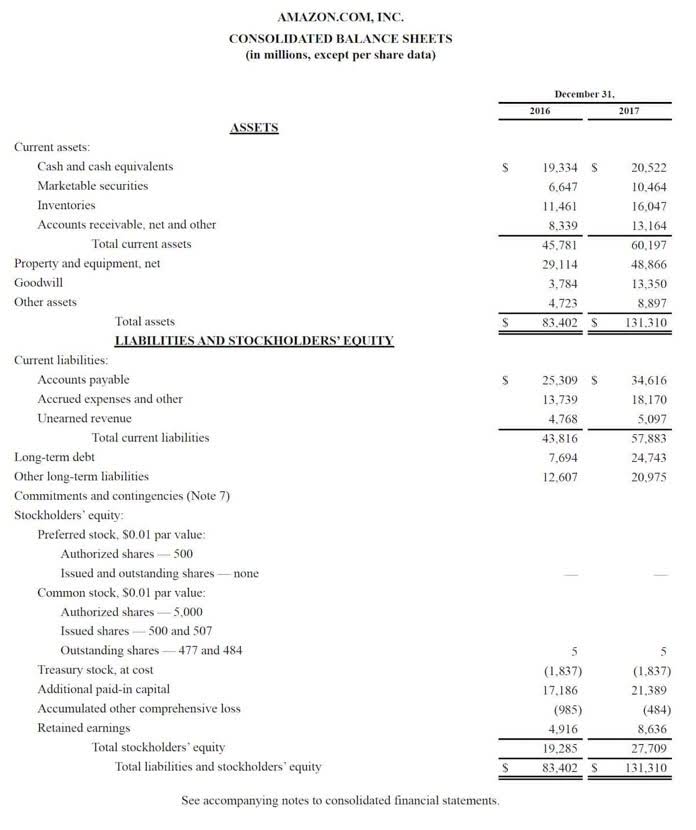
Whether payroll is calculated manually or not, it should be double-checked for accuracy Retained Earnings on Balance Sheet before being processed. Independent contractor payments are generally not included in payroll costs because contractors are not employees. These payments are usually classified as professional fees or contract services rather than compensation. Including them in payroll costs can distort labor analysis and raise compliance concerns if workers are misclassified.
Step 3: Add employee benefits and indirect costs

They also often have legal reporting requirements under ERISA (Employee Retirement Income Security https://www.speedysinsulation.com/what-is-recurring-billing-pros-cons-how-it-works/ Act). Using payroll and accounting software can automate this process, reducing errors and saving time. Proper bookkeeping ensures transparency in financial reporting and facilitates tax filing. It’s imperative to begin by verifying that all employees have filled out the W-4 form upon their hiring. This form is crucial as it determines the amount of federal income tax to withhold from each paycheck. This article is intended to be used as a starting point in analyzing payrolling expenses and is not a comprehensive resource of requirements.

Can I use a 529 plan for K-12 tuition?
- As previously emphasized, accurate classification of workers is paramount.
- According to the Work Institute’s 2023 Retention Report, replacing an employee can cost as much as 33 percent of their salary.
- We’ve covered everything from basic calculations to common pitfalls, but what really matters is having the right system in place to handle your payroll expenses accurately and efficiently.
- With project deadlines and other responsibilities, this is the last thing you want your already stressed employee to do.
- Employees file this form to deduct ordinary and necessary expenses for their job.
- Instead, expense treatment depends entirely on the partnership agreement and how expenses are paid or reimbursed.
When it comes to payroll deductions, if ever one fails to make the necessary contributions to the CRA, they’d be subjected to a 10% penalty for the amount owed. And if this occurs more than once in the same calendar year, the penalty painstakingly rises to 20% if the failure occurs due to negligence or voluntary reasons. Being on the company’s payroll means being paid by them for services rendered. Manual expense management in its traditional form is a snail-paced process. With project deadlines and other responsibilities, this is the last thing you want your already stressed employee to do.

Access your tax information with an IRS account.
This includes the hours worked and the rate for hourly workers, the base salary for salaried employees, and any other forms of compensation, like bonuses or commissions. Simply put, payroll expenses can have a significant impact on a company’s profitability, with additional implications for its tax reporting requirements. The statutory FUTA tax rate is 6.0% and applies only to the first $7,000 of wages paid to each employee in a calendar year to fund federal unemployment insurance benefits.
- Business success is imminent when the business owner and the employee are on the same side of the table.
- Failure of any one requirement converts the reimbursement into taxable compensation.
- The IRS provides tax tables and formulas to calculate the exact amount of federal income tax to withhold.
- For many business owners, calculating those payments and withholdings takes time and can make running the rest of the business more difficult.
- Failure to comply with these laws can result in fines, penalties, and legal disputes.
These expenses are usually differentiated based on the employee designation, requirement, or frequency and require robust approval workflows to monitor and manage. Expenses incurred by an employee to carry out business-related activities or towards fulfilling their designated roles are categorized as employee expenses. Employees may incur expenses for purchasing office supplies, booking business travel, or booking accommodations. These expenses incurred by employees are either reimbursed by the company or paid for by the company through advances or corporate credit cards.
This payroll expense consists of salaries, hourly wages, bonuses, commission and overtime pay. Some of these costs are fixed, such as salaries, whereas others are variable, e.g., overtime. If possible, it’s a good idea to establish a cash reserve by setting aside a certain percentage of your revenue every month into a separate account.
FICA stands for Federal Insurance Contributions Act, and is used to fund Social Security and Medicare benefits. Account for all employer-funded benefits when calculating total payroll expenses. Next, determine the total compensation owed, including hourly wages, salaries, and additional bonuses. For hourly employees, multiply the number of hours worked by their hourly rate. To calculate the compensation for salaried employees, take the annual salary and divide it by the total number of pay periods in the year (for instance, 26 payroll expenses for bi-weekly pay schedules).
This article breaks down what’s deductible, what’s not and key changes in the year ahead. You might be able to deduct qualified medical expenses that are more than 7.5% of your adjusted gross income. Employers offer many different retirement saving options, but two of the most popular are 401(k) and Roth Individual Retirement Accounts (IRA). Employee contributions to a 401(k) are deferred for federal income tax and most states income tax, but are subject to FICA taxes. The earnings portion of a non-qualified withdrawal is subject to income tax and a 10% federal penalty.